The History of Lammetjespap: From Child's Aid to Dutch Dessert
In the rich tapestry of Dutch culinary heritage, some dishes remain household names, while others, equally significant, gently fade into the annals of time. Among these forgotten treasures is Lammetjespap, a humble yet profoundly comforting porridge that holds a special place in the hearts of generations of Dutch natives. More than just a simple meal, Lammetjespap embodies a journey from a practical aid for the ailing to a nostalgic dessert, reflecting shifts in diet, culture, and lifestyle within the Netherlands.
What is Lammetjespap? Unpacking an Oud Hollands Gerecht Van Melk Bloem En Suiker
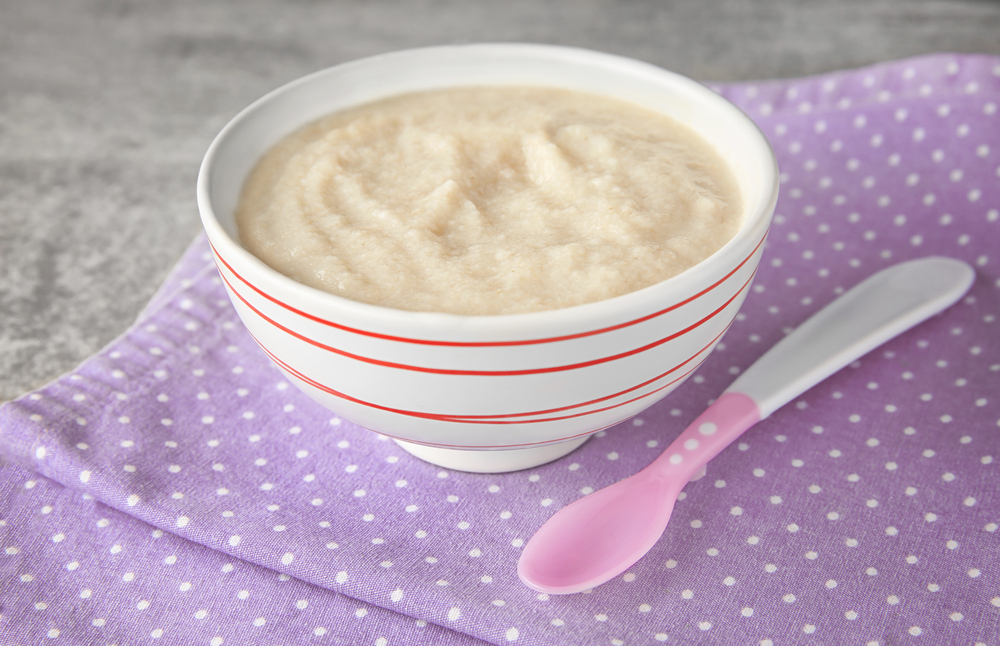
At its core, Lammetjespap is the epitome of simplicity: a warm, creamy porridge made from just three fundamental ingredients – milk, flour, and sugar. This straightforward composition is precisely what makes it an
Oud Hollands Gerecht Van Melk Bloem En Suiker – an old Dutch dish of milk, flour, and sugar, whose direct translation perfectly captures its essence. While modern gastronomy often seeks complexity, Lammetjespap revels in its unadorned nature, delivering comfort and sustenance through a preparation that is both easy and timeless.
The name "Lammetjespap," translating to "lambs' porridge," sparks curiosity. While it might conjure images of cute, fluffy lambs, the true origin of the name remains somewhat veiled in history. One prevailing theory, however, ties it to its primary historical function: providing nourishment to young children, particularly those who were sick or needed to regain strength. In this context, "lammetjes" could be an endearing term for vulnerable youngsters, evoking the tender care associated with a mother lamb nurturing her offspring. This duality – evoking both innocence and succour – speaks volumes about its place in Dutch households.
The preparation of this delightful porridge is disarmingly simple. Typically, flour is whisked into milk, slowly brought to a simmer, and cooked until thickened into a smooth, velvety consistency. A generous addition of sugar, often granulated or "basterdsuiker," perfects its subtly sweet flavour. While modern palates might find its taste "uncomplicated," this very characteristic was its strength, making it easily digestible and palatable even for the most sensitive stomachs.
A Soothing Elixir: Lammetjespap's Role in Childhood and Health
For centuries, before the advent of sophisticated infant formulas and modern nutritional supplements, simple, wholesome foods were the bedrock of care for the young and the infirm. Lammetjespap shone brightly in this context, serving as a vital sustenance. It was commonly introduced as supplementary feeding for infants during or after the period of breastfeeding or bottle-feeding, offering a gentle transition to solid foods. Its smooth texture and mild flavour made it an ideal choice for delicate digestive systems.
Beyond mere infant nutrition, Lammetjespap held a significant therapeutic role. Grandmothers and caregivers alike relied on a warm bowl of this porridge to comfort and fortify sick children. Whether battling a common cold or recovering from a more serious illness, the easily digestible calories and comforting warmth of Lammetjespap were believed to aid in recuperation. Historical records even indicate its prescription as supplemental nutrition for young tuberculosis patients up until the mid-20th century. This highlights its perceived medicinal value, not as a cure, but as a crucial support system for building strength when appetites waned and robust meals were difficult to tolerate.
For generations of Dutch individuals, particularly those now in their 50s, 60s, and beyond, Lammetjespap wasn't just food; it was a symbol of parental care, a warm embrace in a bowl. It represented a time when simple ingredients and loving hands transformed basic staples into powerful remedies, solidifying its status as a cornerstone of childhood memories and a testament to traditional, often resourceful, home care practices.
Beyond the Morning Bowl: Lammetjespap as a Versatile Dutch Delight
While its origins are deeply rooted in nurturing the young and the sick, Lammetjespap's journey didn't end there. As time progressed and food availability diversified, this humble porridge began to transcend its strictly utilitarian role, evolving into a versatile staple enjoyed beyond the breakfast table. For many Dutch families, it became a beloved "toetje" – a dessert – frequently gracing the dinner table as a comforting finale to a hearty meal.
The transformation into a dessert often involved a delightful enhancement of its inherent sweetness. While a dusting of granulated sugar was standard, a common practice was to swirl in generous amounts of "stroop" (Dutch syrup), adding a rich, treacly depth. For those with a true "zoetekauw" (sweet tooth), melting knobs of butter nestled within the warm porridge were an irresistible treat, creating pockets of rich, creamy indulgence that enhanced its already comforting texture.
Lammetjespap also existed within a broader family of traditional Dutch porridges, showcasing the versatility of grains and dairy in Dutch cuisine. Recollections from older generations often include a variety of "pap" (the Dutch word for porridge):
- Gortepap: Barley porridge, hearty and substantial.
- Havermoutpap: Oatmeal porridge, a universal breakfast classic.
- Rijstepap: Rice pudding, often a more elaborate dessert.
- Karnemelkse pap: Buttermilk porridge, a tangy and lighter alternative.
- Beschuitpap: A version primarily found in the southern Netherlands, reportedly similar to Lammetjespap but using crumbled Dutch rusks (beschuit) for texture.
These variations underscore the central role that warm, filling porridges played in Dutch diets, offering comfort and energy, adaptable for different tastes and occasions. Lammetjespap, with its gentle flavour and adaptable nature, seamlessly fit into this cherished tradition.
Rekindling the Flame: Modern Takes on a Traditional Treat
Despite its rich history and heartwarming legacy, Lammetjespap, like many traditional dishes, has somewhat receded from the forefront of modern Dutch kitchens. Younger generations, accustomed to a wider array of breakfast cereals and desserts, might not be familiar with this simple delight. However, for those who grew up with it, the mention of Lammetjespap invariably conjures a wave of nostalgia, a sweet memory of childhood and simpler times.
Today, there's a growing appreciation for heritage foods and the comfort they provide. This resurgence of interest offers a perfect opportunity to rediscover Lammetjespap. While purists might advocate for the classic preparation, modern culinary enthusiasts can imbue this traditional dish with contemporary twists, without sacrificing its comforting essence.
Here are a few ideas to revitalize this
Lammetjespap: Rediscovering the Classic Dutch Milk Porridge:
- Flavor Enhancements: A pinch of cinnamon, a dash of vanilla extract, or a hint of orange zest can elevate its mild flavour.
- Toppings Galore: Beyond traditional sugar and stroop, consider fresh berries, toasted nuts, a drizzle of honey, or even, as some modern recipes suggest, mini-marshmallows for a playful texture.
- Textural Variety: Experiment with different types of flour (e.g., fine semolina for a slightly different mouthfeel) or add a small amount of finely ground oats for extra body.
- Serving Suggestions: Serve it warm in charming bowls, perhaps with a side of strong Dutch coffee for breakfast, or as a light, sweet supper.
Making Lammetjespap is straightforward, but for the best results, remember to whisk continuously while cooking to prevent lumps and achieve that signature smooth, creamy consistency. If you're inspired to try preparing this delightful dish yourself, an
Easy Lammetjespap Recipe: Simple Dutch Milk, Flour, and Sugar Dish is surprisingly forgiving and rewarding.
Lammetjespap stands as a beautiful testament to the enduring power of simple ingredients, transformed by tradition and affection into something truly special. From its foundational role as a comforting aid for the young and the unwell to its evolution into a cherished dessert, this "Oud Hollands Gerecht Van Melk Bloem En Suiker" remains a symbol of Dutch ingenuity, resourcefulness, and a deep-seated appreciation for the warmth of home-cooked meals. Its story is a gentle reminder that sometimes, the greatest culinary pleasures are found in the simplest of preparations, ready to be rediscovered and savoured by new generations.