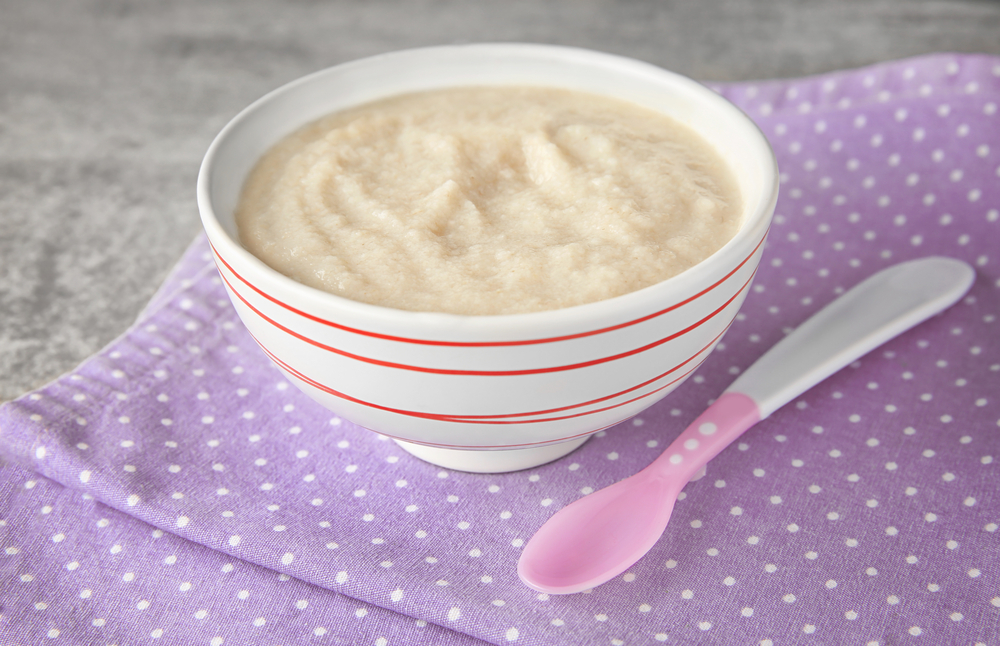
Lammetjespap: Rediscovering the Classic Dutch Milk Porridge
In a world bustling with trending superfoods and exotic breakfast bowls, there's a quiet charm in revisiting the culinary traditions of yesteryear. Among the many cherished recipes passed down through generations, one particular dish stands out in the Netherlands: Lammetjespap. This incredibly simple yet deeply comforting Oud Hollands Gerecht Van Melk Bloem En Suiker (Old Dutch Dish of Milk, Flour, and Sugar) holds a special place in the hearts of many, particularly those who remember it from their childhoods. For some, the mere mention of "pap" (the Dutch word for porridge) instantly conjures warm memories, a taste of home, and an undeniable sense of nostalgia.
While often overshadowed by more elaborate creations today, Lammetjespap represents the quintessential Dutch comfort food – a testament to how humble ingredients can create something truly heartwarming. It’s a dish that nourished generations, often serving as both a simple meal and a soothing remedy. Let’s embark on a journey to rediscover this classic, exploring its origins, its place in Dutch culture, and how you can bring its gentle comfort into your own home.
What is Lammetjespap? Unpacking the Traditional Dutch Milk Porridge
At its core, Lammetjespap is exactly what its main keyword describes: an Oud Hollands Gerecht Van Melk Bloem En Suiker. It's a type of porridge, traditionally made with just these three fundamental ingredients. The preparation is straightforward: milk is heated, flour is whisked in to thicken it, and sugar is added for sweetness. The result is a smooth, creamy, and subtly flavored dish that’s both nourishing and easy to digest.
The name "Lammetjespap" translates literally to "lamb porridge," and its origin is a subject of gentle debate. One popular theory suggests it was named for its association with adorable, fluffy lambs, evoking a sense of innocence and gentleness. Another, perhaps more historically grounded, explanation posits that it was given to children who were sick or convalescing, meant to help them "strengthen like a lamb." Given its historical use as a strengthening food, particularly for young children transitioning from breast or bottle feeding, and even for tuberculosis patients up until the mid-20th century, this latter theory carries significant weight. Its mild flavor and easily digestible nature made it an ideal choice for those needing gentle sustenance.
In the northern regions of the Netherlands, Lammetjespap was a household staple. Its simple composition made it accessible to all, providing vital energy and warmth. Unlike today's diverse breakfast options, a bowl of this creamy goodness was a familiar sight on many Dutch tables, embodying the simplicity and resourcefulness of traditional Dutch cooking.
A Taste of Yesteryear: Lammetjespap's Place in Dutch Culture
For the generation of Dutch citizens now in their 50s, 60s, and beyond, pap wasn't just food; it was a cornerstone of their upbringing. Many can vividly recall the comforting aroma filling the kitchen and the satisfaction of a warm bowl. While Lammetjespap might be less common now, its memory continues to evoke powerful feelings of nostalgia and home for these individuals.
Pap was incredibly versatile. It wasn't exclusively a breakfast item, nor was it solely for children. In countless Dutch households, including my own, it frequently appeared as a simple yet satisfying dessert. The ritual of eating pap often involved personalizing it with generous additions. Sugar was a given, with basterdsuiker (a type of Dutch brown sugar) being a popular choice for its caramel notes. Syrup, particularly stroop (Dutch apple syrup), was another beloved topping, creating a rich, sweet counterpoint to the subtle milk flavor. And who could forget the delightful experience of melting lumps of butter, forming golden pools on top of the warm porridge? These small indulgences transformed a basic dish into a truly memorable treat, especially for those with a sweet tooth.
Lammetjespap was just one variety in a broader family of Dutch porridges. The references often bring up other beloved types, reflecting the rich tradition of pap in the Netherlands:
- Gortepap: Made from pearl barley.
- Havermoutpap: The universally recognized oatmeal porridge.
- Rijstepap: Creamy rice pudding.
- Karnemelkse Pap: Buttermilk porridge, often enjoyed with plenty of syrup.
- Beschuitpap: A version often considered the southern counterpart to Lammetjespap, frequently made with crumbled rusks (beschuit).
Crafting Your Own Lammetjespap: Tips for the Perfect Bowl
One of Lammetjespap's most appealing qualities is its remarkable simplicity. You don't need a culinary degree or exotic ingredients to whip up this traditional Dutch delight. The beauty lies in its straightforward preparation, making it accessible even for novice cooks. Here are some tips to help you achieve the perfect, lump-free, and wonderfully creamy bowl:
- Start Cold: To prevent lumps, always mix the flour with a small amount of cold milk first to create a smooth paste before adding it to the rest of the heated milk. This ensures the flour disperses evenly without clumping.
- Whisk Vigorously: As you slowly pour the flour-milk mixture into the simmering milk, whisk continuously and vigorously. This prevents lumps from forming and helps the porridge thicken smoothly.
- Control the Thickness: The desired consistency is a matter of personal preference. For a thinner pap, use slightly less flour. For a thicker, more "wollig" (fluffy) consistency, add a touch more. Remember, it will thicken further as it cools.
- Sweeten to Taste: While traditional recipes often call for basterdsuiker, feel free to adjust the sweetness level to your liking. Honey, maple syrup, or even a sprinkle of stevia can be used as alternatives. Add sugar gradually and taste as you go.
- Gentle Heat: Cook the porridge over medium-low heat. This prevents scorching the milk and allows the flour to cook thoroughly, eliminating any raw flour taste. Stir frequently.
Once your Lammetjespap is ready, the serving possibilities are endless. Beyond the classic sugar, syrup, and butter, you can get creative. A sprinkle of cinnamon or nutmeg adds a wonderful aroma. Fresh berries, sliced banana, or stewed apples can introduce fruitiness and extra nutrients. For a truly indulgent (and slightly modern) twist, as some have suggested, a few mini-marshmallows can add a fun, fluffy texture that melts into the warm pap. If you're ready to dive in and make your own, find a complete guide in our Easy Lammetjespap Recipe: Simple Dutch Milk, Flour, and Sugar Dish.
Beyond Nostalgia: Modern Twists and Nutritional Insights
While Lammetjespap is undoubtedly an Oud Hollands Gerecht Van Melk Bloem En Suiker rooted in tradition, it doesn't have to remain solely a relic of the past. Its simple foundation makes it surprisingly adaptable to modern tastes and dietary considerations.
From a nutritional standpoint, traditional Lammetjespap, especially when loaded with sugar and butter, is a caloric and carbohydrate-rich dish. Historically, this was precisely its strength: it provided much-needed energy for growing children and the ailing. Today, we can adjust it to fit contemporary health goals:
- Reduce Sugar: Simply use less added sugar or opt for natural sweeteners like a touch of honey or pure maple syrup. The subtle sweetness of milk is often enough for a comforting meal.
- Alternative Milks: Experiment with plant-based milks like almond, soy, oat, or coconut milk for a dairy-free version. Each will impart a slightly different flavor profile.
- Whole Grains: While traditionally made with white flour, you could try incorporating a small amount of whole wheat flour for added fiber, though this might alter the characteristic smooth texture slightly.
- Flavor Boosts: Incorporate spices like vanilla extract, cardamom, or even a pinch of ginger to elevate the flavor without adding extra sugar.
- Add-ins: Boost the nutritional value with healthy toppings such as chia seeds, flax seeds, nuts, or a variety of fresh or dried fruits.
By embracing these modern adjustments, Lammetjespap can transcend its nostalgic role to become a versatile, comforting, and customizable dish that still provides a nourishing start to the day or a soothing end to an evening meal. It's about respecting the essence of the classic while making it relevant for today's lifestyle.
Conclusion
Lammetjespap is far more than just an old recipe; it's a culinary time capsule, preserving the flavors and comfort of generations past. This simple Oud Hollands Gerecht Van Melk Bloem En Suiker embodies the essence of Dutch practicality and warmth, offering a gentle embrace in every spoonful. Whether you're a Dutch native yearning for a taste of your childhood or an adventurous food lover eager to explore traditional international fare, rediscovering Lammetjespap is a delightful experience. Its unpretentious nature, ease of preparation, and remarkable adaptability make it a timeless classic worthy of a place in any modern kitchen. So, take a moment, whisk up a batch, and let the understated charm of Lammetjespap warm your body and soul.