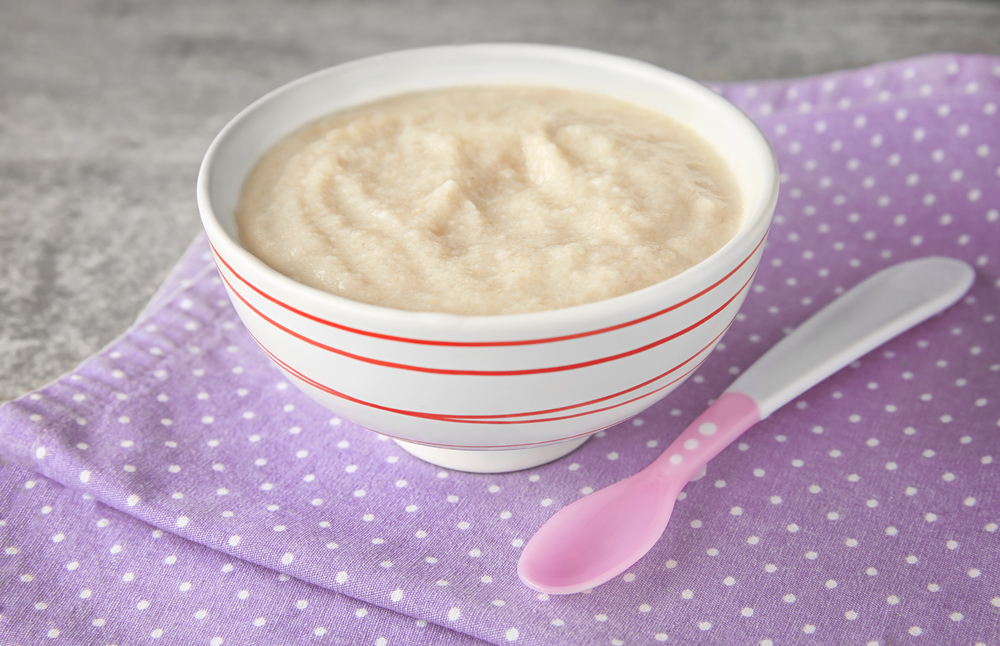
Easy Lammetjespap Recipe: Simple Dutch Milk, Flour, and Sugar Dish
In a world often swept up by trending superfoods and exotic cuisines, there's profound comfort in revisiting the classics – especially those that whisper tales of simpler times and warm kitchens. Enter Lammetjespap, a cherished traditional Dutch milk porridge that, for many, evokes a powerful wave of nostalgia. Often described as an Oud Hollands gerecht van melk, bloem en suiker (an Old Dutch dish of milk, flour, and sugar), Lammetjespap is the epitome of wholesome, easy-to-make sustenance. While modern breakfast menus might favor oats and quinoa, this unassuming porridge holds a special place in the hearts of generations, offering a gentle warmth that nourishes both body and soul.
If you're among those who grew up in the Netherlands, particularly in the northern regions, the mention of "pap" likely conjures images of cozy mornings or comforting evening treats. While today's hip cafes might dub it "porridge," for this venerable dish, the Dutch term pap feels just right. There's a certain unpretentiousness to it, an honesty that perfectly captures the essence of this delightful preparation. Forget fancy ingredients or complicated techniques; Lammetjespap is about pure, simple goodness.
What is Lammetjespap? A Taste of Dutch Nostalgia
At its core, Lammetjespap is a deceptively simple dish, primarily composed of three humble ingredients: milk, flour, and sugar. This unpretentious combination yields a creamy, smooth porridge with a subtly sweet flavor that serves as a canvas for further customization. It's a testament to how basic components, when prepared with care, can create something truly comforting and satisfying.
The history of Lammetjespap is intertwined with Dutch domestic life. For generations of Dutch children, particularly those born before the latter half of the 20th century, it was a dietary staple. It served as supplementary feeding for infants transitioning from breast or bottle milk, and notably, it was often prescribed for sick or convalescing children, including young tuberculosis patients, to help them regain strength. The ease of digestion and nourishing qualities made it ideal for fragile appetites.
The name itself, Lammetjespap, meaning "little lambs' porridge," has a charming ambiguity. Some believe it refers to the delicate, innocent nature of baby lambs, suggesting a meal gentle enough for the youngest and most vulnerable. Others theorize it might derive from its purpose: to "strengthen" (aansterken in Dutch, which can sound phonetically similar to parts of "lammetjes" if stretched) those who were weak or ill. Whatever its origin, the name evokes a sense of tenderness and care, perfectly suiting its role as a soothing comfort food.
While various porridges existed – from gortepap (barley porridge) and havermoutpap (oatmeal porridge) to rijstepap (rice pudding) and karnemelkse pap (buttermilk porridge) – Lammetjespap stood out for its particular simplicity and accessibility. It was a dish that every household could prepare, offering warmth and sustenance without a fuss.
To truly appreciate the depth of its cultural significance, one might wonder about its origins and evolution. For a deeper dive into its fascinating journey from a child's aid to a beloved Dutch dessert, consider exploring The History of Lammetjespap: From Child's Aid to Dutch Dessert.
The Simple Art of Making Lammetjespap: A Classic Recipe
Recreating this classic Dutch milk, flour, and sugar dish is surprisingly straightforward. The key lies in patience and gentle technique to achieve that signature smooth, lump-free consistency. Here's a basic recipe to get you started:
Classic Lammetjespap Recipe
Yields: 2 servings
Prep time: 2 minutes
Cook time: 8-10 minutes
Ingredients:
- 500 ml (2 cups) full-fat milk (whole milk)
- 3-4 tablespoons all-purpose flour
- 2-3 tablespoons granulated sugar or basterdsuiker (light brown sugar), to taste
- Pinch of salt (optional, to enhance flavor)
- Optional toppings: a knob of butter, a drizzle of syrup (e.g., stroop or maple syrup), cinnamon, fresh fruit, mini marshmallows
Instructions:
- Prepare the Slurry: In a small bowl, whisk together the flour with about 50 ml (1/4 cup) of the cold milk until completely smooth and lump-free. This is crucial for a creamy porridge.
- Heat the Milk: Pour the remaining milk into a medium saucepan over medium heat. Add the sugar and a pinch of salt (if using). Stir occasionally until the sugar dissolves and the milk is just simmering, but not boiling rapidly.
- Thicken the Porridge: Once the milk is simmering, gradually pour in the flour-milk slurry while continuously whisking vigorously. Continue whisking for a few minutes as the mixture thickens. Reduce the heat to low.
- Simmer and Stir: Allow the porridge to simmer gently for 5-7 minutes, stirring frequently to prevent sticking to the bottom and ensuring the flour is fully cooked. The porridge should be thick and creamy. If it's too thick, add a little more milk; if too thin, continue to simmer and stir for a few more minutes.
- Taste and Adjust: Taste the Lammetjespap and add more sugar if desired.
- Serve Warm: Ladle the warm Lammetjespap into bowls. For an authentic touch, add a small knob of butter on top – it will melt into a delicious pool. Drizzle with syrup, sprinkle with cinnamon, or add other favorite toppings.
Tips for Perfect Lammetjespap:
- Prevent Lumps: The most common pitfall is lumpy porridge. Always mix the flour with a small amount of cold milk first to create a smooth paste before adding it to the warm milk.
- Constant Stirring: Once the flour mixture is added, continuous stirring is vital, especially as it thickens, to ensure even cooking and prevent scorching.
- Sweetness Control: The amount of sugar is highly personal. Start with less and add more to taste. Traditional Lammetjespap tends to be moderately sweet.
- Creaminess Factor: Full-fat milk will yield the creamiest and most satisfying porridge.
Beyond Breakfast: Serving Lammetjespap in Modern Times
While its origins firmly place it as a breakfast staple or a restorative meal for the unwell, Lammetjespap is wonderfully versatile. Many recall it being served not just in the mornings but also as a comforting dessert or a late-night snack. Its simple, gentle flavor profile makes it suitable for any time of day when a touch of warmth and sweetness is desired.
In contemporary kitchens, this old Dutch dish of milk, flour, and sugar can be easily adapted to suit modern tastes while retaining its authentic charm. Consider these serving suggestions:
- Classic Comfort: Serve warm with a generous spoonful of basterdsuiker (Dutch light brown sugar) and a melting knob of butter. The combination is pure bliss.
- Sweet Drizzles: A swirl of traditional Dutch stroop (apple syrup), maple syrup, or even honey can elevate the sweetness and add a rich depth of flavor.
- Fruity Freshness: Top with fresh berries, sliced bananas, stewed apples, or a spoonful of compote for added vitamins and a burst of color.
- Spice it Up: A dash of cinnamon, nutmeg, or even a hint of vanilla extract can transform the flavor profile without overpowering its delicate nature.
- Modern Indulgence: For a playful twist, particularly appealing to younger generations (or the young at heart), sprinkle with mini marshmallows, chocolate chips, or crushed biscuits.
- The "Beschuitpap" Nod: For those familiar with beschuitpap (rusk porridge, a southern Dutch variant), crumbling a traditional Dutch rusk (beschuit) over the warm pap adds a delightful texture and a hint of spice.
Why Rediscover Lammetjespap Today?
In an era that values authenticity and simplicity, rediscovering Lammetjespap feels remarkably timely. It's more than just a recipe; it's a connection to heritage, a taste of history, and a reminder of the comforting power of basic ingredients.
- Simplicity: It requires minimal ingredients and preparation, making it perfect for busy mornings or an easy, satisfying evening treat.
- Affordability: Milk, flour, and sugar are pantry staples, making Lammetjespap an economical choice for nourishing the family.
- Nostalgia and Comfort: For many, it's a taste of childhood, a culinary hug that brings back cherished memories. For newcomers, it offers an authentic glimpse into traditional Dutch home cooking.
- Versatility: Easy to customize with a variety of toppings, it can be adapted to suit individual preferences and dietary needs (e.g., using plant-based milk for a dairy-free version).
- Wholesome Goodness: It provides gentle, sustained energy and a satisfying creaminess that is both filling and easy to digest.
Conclusion
Lammetjespap, this simple Oud Hollands gerecht van melk, bloem en suiker, might have faded slightly from the culinary spotlight, but its charm and comforting appeal remain timeless. It's a dish that transcends generations, offering a warm embrace on a chilly day or a sweet conclusion to a family meal. Whether you're seeking to reconnect with your Dutch roots, exploring traditional European comfort foods, or simply in search of an easy, wholesome recipe, Lammetjespap is an excellent choice. Give this delightful Dutch milk porridge a try – you might just discover your new favorite way to start the day or end it on a sweet, comforting note. For more insights into this beloved dish, don't miss Lammetjespap: Rediscovering the Classic Dutch Milk Porridge.